What you will learn
This guide explains important concepts, preparation methods, exam strategy, and practical tips to help you prepare with a clear direction.
Introduction
AWS Solutions Architect certification is one of the most popular cloud certifications for IT professionals who want to build a career in cloud computing.
This certification validates your ability to design secure, scalable, reliable, and cost-effective cloud solutions using Amazon Web Services.
For beginners, the exam may look difficult at first because it covers many AWS services, but with a proper plan and consistent practice, it becomes manageable.
Understand the Exam Pattern
Before starting preparation, understand the exam domains and the type of questions asked in the certification exam.
Most questions are scenario-based. Instead of asking direct definitions, the exam usually gives a business problem and asks you to choose the best AWS solution.
You should focus on understanding concepts deeply instead of memorizing service names only.
Important AWS Services to Study
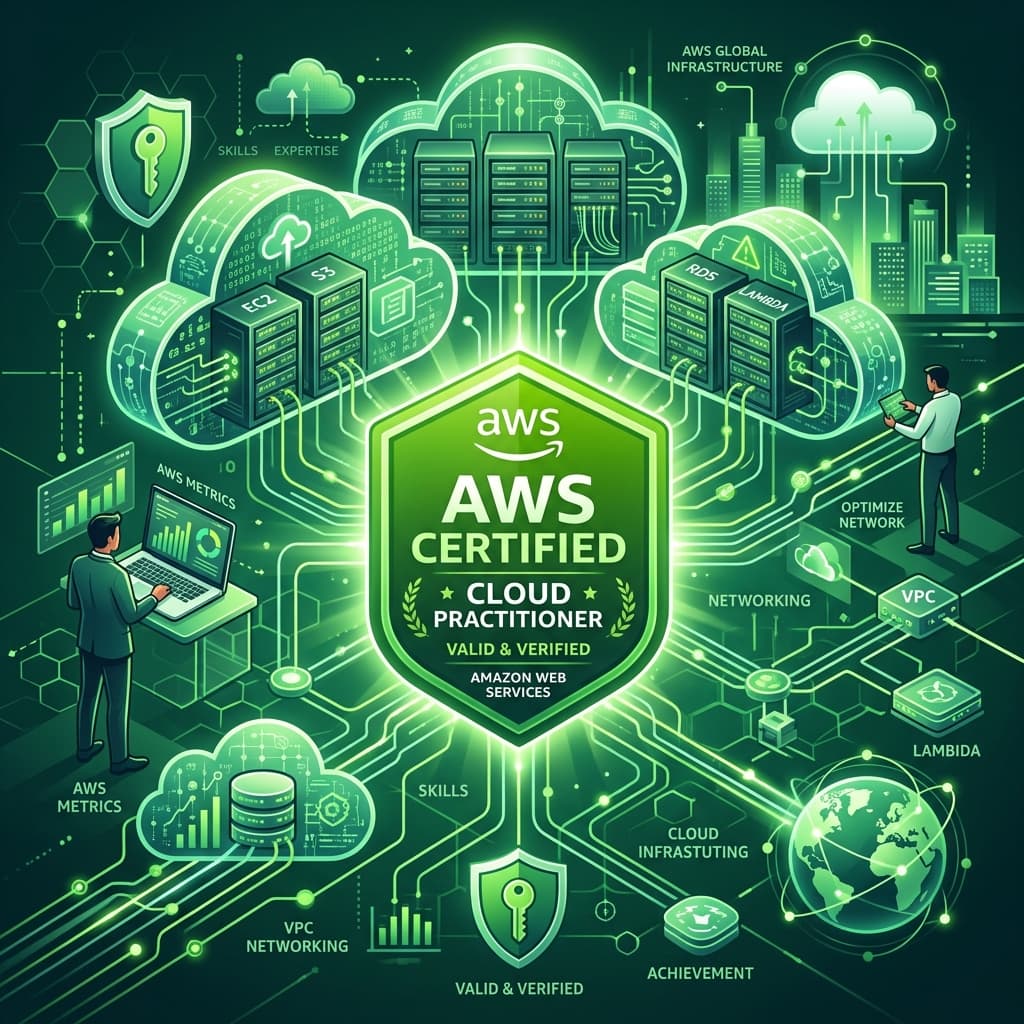
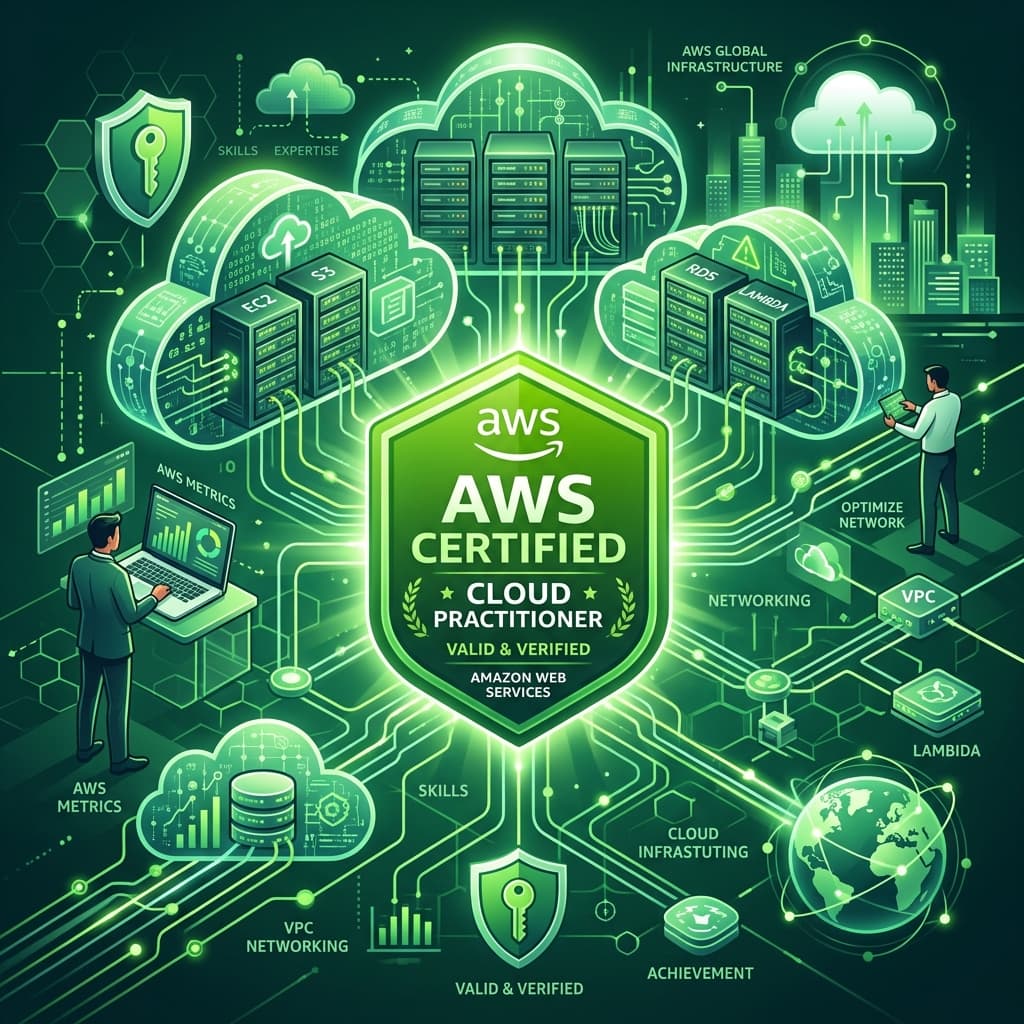
Focus strongly on core AWS services such as EC2, S3, IAM, VPC, RDS, Route 53, CloudFront, Auto Scaling, Load Balancer, Lambda, and CloudWatch.
You should understand when to use each service, how services connect with each other, and which service is suitable for a specific business requirement.
Networking and security topics are very important because many exam questions test your understanding of secure cloud architecture.
Create a Weekly Study Plan
Start with basic cloud concepts and AWS global infrastructure. After that, move to compute, storage, networking, database, monitoring, and security services.
Give at least one week to hands-on learning if possible. Even basic practice in the AWS console can help you understand services much better.
In the final week, focus on practice questions, revision notes, and weak areas.
Use Practice Questions Properly
Practice questions are useful only when you review explanations carefully. Do not only check whether your answer is right or wrong.
Read why the correct option is correct and why the other options are not suitable. This method improves your exam logic.
Try to attempt full-length mock exams before the real exam so you can improve your speed and confidence.
Final Exam Tips
During the exam, read every question carefully and identify the main requirement. Look for keywords such as cost-effective, highly available, secure, scalable, or low latency.
Eliminate clearly wrong answers first, then compare the remaining options.
Stay calm and manage your time properly. Many questions look similar, but small details can change the correct answer.
Final Preparation Advice
Study the concepts carefully, practice regularly, review your mistakes, and focus on understanding the logic behind every answer. This approach helps you prepare with confidence instead of relying only on memorization.